


There was a time when power resisted criticism.
It denied it.
Suppressed it.
Fought it directly.
That is no longer the primary strategy.
Today, power does something more effective.
It absorbs the narrative.
When Something Gets Too Close to the Truth
Every system has a threshold.
A point where a story becomes too visible.
Too widely discussed.
Too difficult to ignore.
In the past, that moment triggered pushback.
Today, it triggers something different.
The story is allowed to spread.
Then it is reshaped.
From Threat to Content
Watch what happens when an idea gains traction.
At first, it feels serious.
People question systems.
Clips circulate.
Conversations deepen.
Then the tone shifts.
The same idea becomes a joke.
A meme.
A segment.
A skit.
What once felt dangerous becomes familiar.
And once something is familiar, it loses its edge.
We have seen major corporate failures turn into viral memes within days, where public anger is replaced by humor before any structural change occurs.
We have seen political moments reduced to short clips and catchphrases, replayed for engagement rather than examined for consequence.
The Parody Phase
This is where the shift becomes obvious.
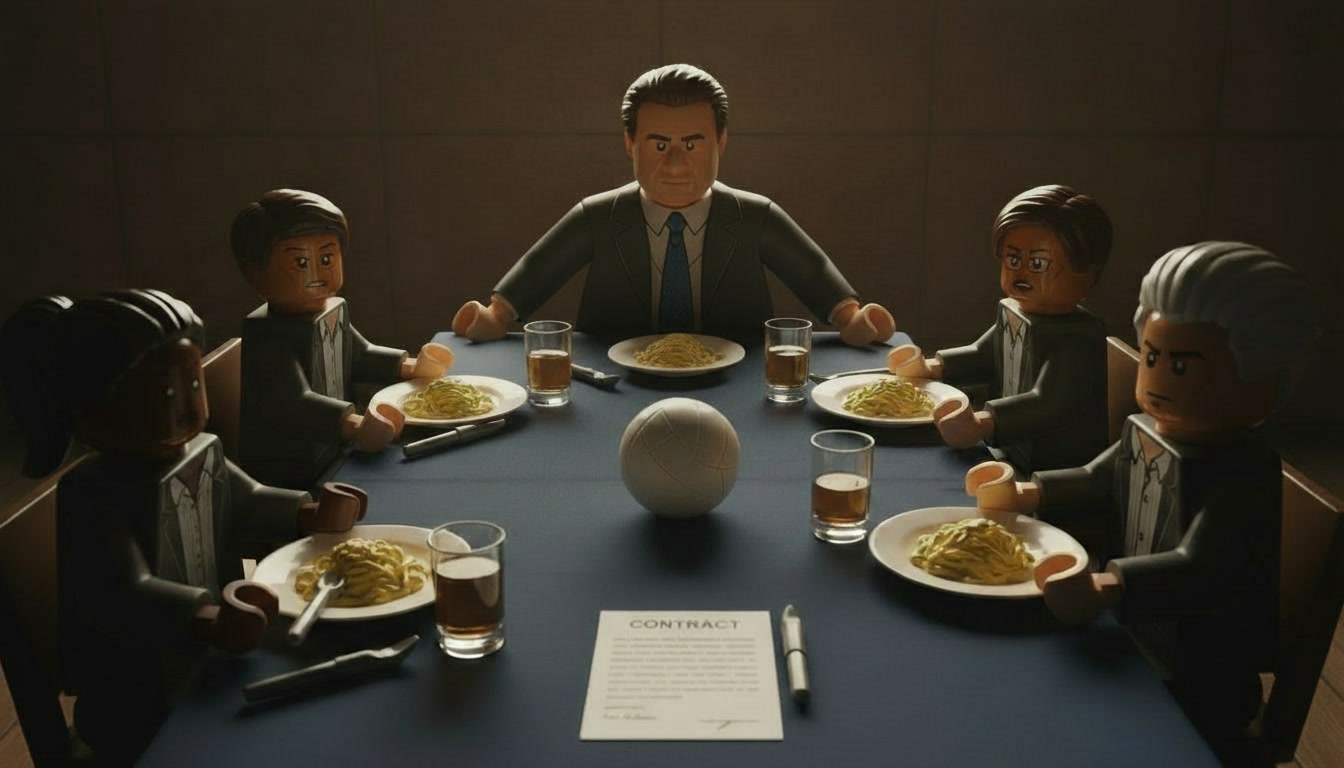
When people began questioning whether outcomes in professional sports were influenced behind the scenes, the response was not denial.
It was participation.
Players joked about it.
Leagues leaned into it.
Commercials referenced it.
The narrative moved from suspicion to entertainment.
Once it becomes parody, it becomes safe.
When Everything Becomes a Joke
This pattern extends beyond sports.
Corporate failures become memes.
Political moments become clips.
Serious hearings turn into viral soundbites.
The faster something spreads, the faster it is flattened.
Nuance disappears.
Context fades.
Impact weakens.
The story survives.
The consequence does not.
Distraction Without Movement
This is not distraction in the traditional sense.
Nothing is hidden.
Everything is visible.
But visibility is redirected.
Attention moves horizontally instead of forward.
From meaning to reaction.
From understanding to engagement.
People are still watching.
They are just not moving closer to resolution.
The Speed of Replacement
The cycle accelerates.
A story breaks.
It trends.
It is discussed.
It is remixed.
It is replaced.
Before pressure can build, attention shifts.
We have watched major hearings dominate public attention for days, only to be replaced almost instantly by the next viral moment or breaking story.
We have seen investigative reports trend briefly, then disappear beneath new content cycles before their findings are fully understood.
Not away from the truth.
Away from the moment.
This is how serious issues lose their weight.
Not by suppression.
By saturation.
When the System Learns the Audience
Power has adapted to the modern audience.
It understands attention.
It understands timing.
It understands that people do not just consume information.
They consume experiences.
So the narrative becomes an experience.
Something to watch.
React to.
Share.
Then move on from.
What This Reveals About Power
Power no longer needs to control information.
It controls context.
It allows the story to exist.
Then changes how the story is experienced.
From threat
to content
to background
The structure remains untouched.
Closing
Distraction is no longer separate from truth.
It is built into it.
And once a story becomes part of the feed, it no longer needs to be stopped.
It only needs to keep moving.
Until nothing feels serious long enough to matter.