


There’s a moment every parent has.
It doesn’t happen right away.
At first, everything feels normal.
Your kid is learning.
Getting better.
Having fun.
You’re just happy they’re out there.
Then something shifts.
You can’t always explain it.
But you feel it.
Maybe it’s a game.
Your kid has been working.
Showing up.
Doing what they’re supposed to do.
And then the rotation comes.
They sit longer than expected.
They get pulled quicker than others.
The opportunities don’t line up with what you’re seeing.
You tell yourself it’s nothing.
Coaches see things differently.
There’s always a bigger picture.
So you stay patient.
Then it happens again.
And again.
Not dramatic.
Just consistent enough to make you pause.
You start paying closer attention.
Who gets more reps?
Who gets more grace?
Who gets talked to differently?
You notice patterns.
And that’s when it hits you.
This might not be just about performance.
The game didn’t change. Your awareness did.
That realization is uncomfortable.
Because once you see it, you can’t unsee it.
And now you’re in a different position as a parent.
Before, it was simple.
Show up.
Support your kid.
Trust the process.
Now it’s layered.
You’re still supporting your child.
But you’re also observing the environment.
You’re asking quiet questions.
Is this about development?
Is this about relationships?
Is this about fit?
And the hardest part is, you don’t always get clear answers.
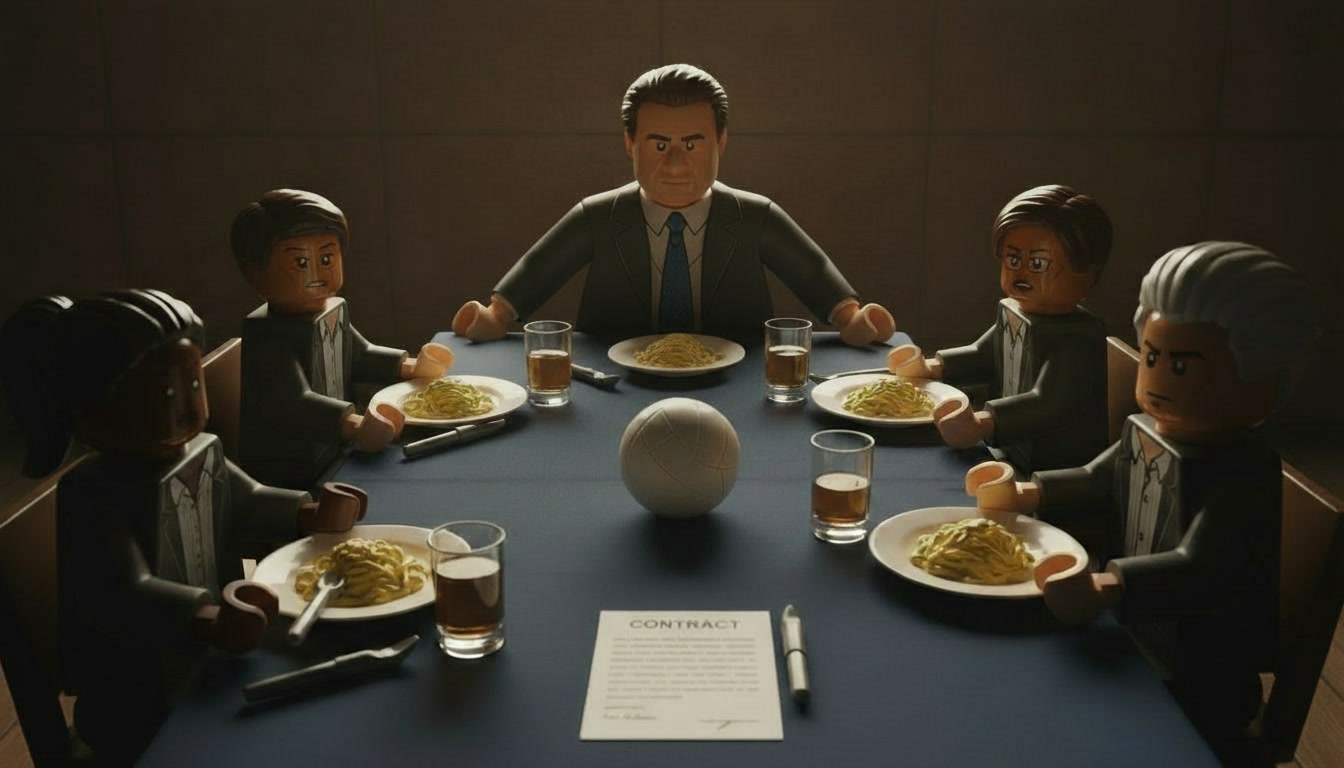
Because nothing is ever said directly.
There’s no meeting where someone explains how things really work.
It’s subtle.
It’s in tone.
In timing.
In who gets the benefit of the doubt.
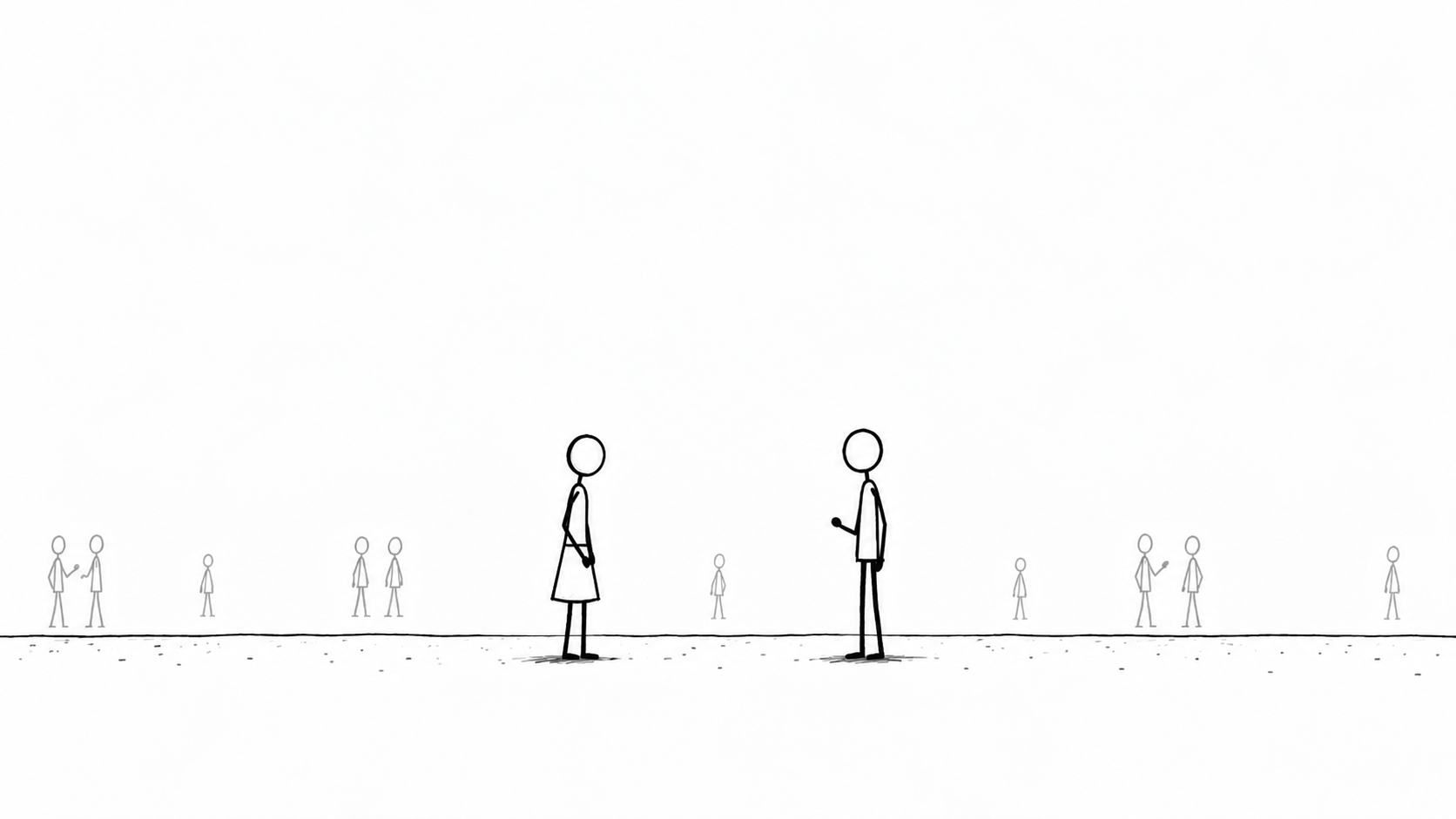
And now you’re managing something you didn’t expect.
Your child’s experience
and
your understanding of what’s actually happening around them.
That tension is real.
Because your kid is still excited.
Still hopeful.
Still believing the game is fair.
And you don’t want to take that from them.
So you carry it.
You keep showing up.
You keep encouraging.
You keep things positive at home.
But internally, something has changed.
You’re no longer just watching the game.
You’re watching everything.
And now the questions start to evolve.
Do we stay and work through it?
Do we speak up?
Do we adjust expectations?
Or do we start thinking about a different environment?
There’s no perfect answer.
Just timing.
Judgment.
And what you believe is best for your child.
This is the moment the game becomes more than the game.
Not for the kids.
For the parents.
Because once you see how things move,
you can’t go back to just believing everything is as simple as it sounds.
And that doesn’t make you negative.
It makes you aware.
What This Means for Parents
That first moment matters.
Not because you need to react immediately.
But because you need to pay attention.
Do not rush to conclusions.
But do not ignore patterns either.
Give things time.
But do not talk yourself out of what you’re seeing.
Stay steady with your child.
They still need your belief.
But quietly start evaluating the environment around them.
Is it building them?
Or slowly wearing them down?
You don’t need all the answers right away.
But you do need to be honest with yourself about what you’re seeing.
Because what you do next won’t be based on one moment.
It will be based on patterns.
And patterns tell the truth, whether anyone says it out loud or not.