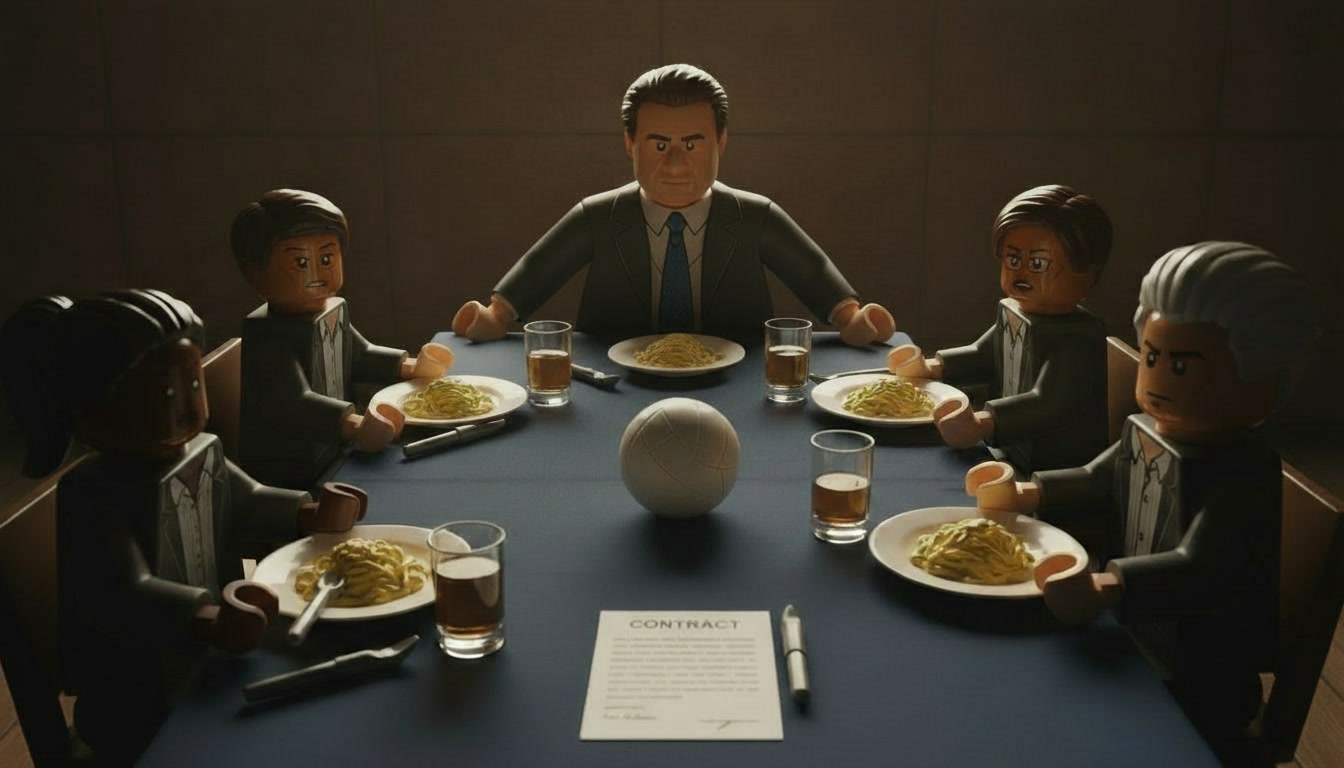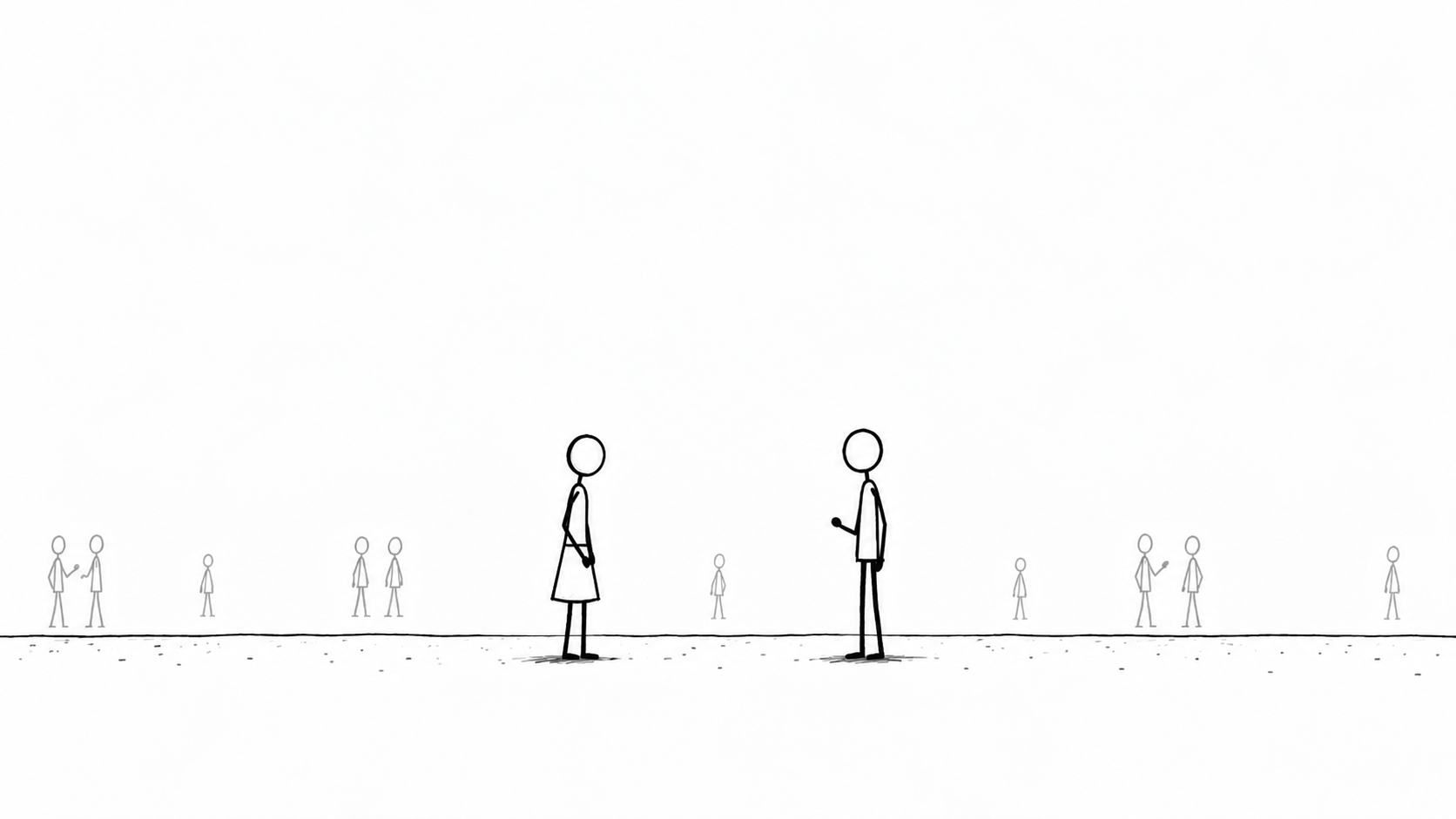



You don’t expect this part.
When your kids first start playing, it feels simple.
Show up.
Support them.
Let them grow.
You believe in doing things the right way.
Work hard.
Be respectful.
Earn your spot.
That’s how you built your life.
So naturally, that’s what you teach your kids.
But then you spend enough time around competitive sports…
and something starts to pull at you.
Because what you believe
and what you’re seeing
don’t always line up.
You see how things move.
Who gets early opportunities.
Who gets extra attention.
Who gets the benefit of time.
And you start to realize something uncomfortable.
Doing everything the “right way” doesn’t always lead to the best outcome.
That’s where the tension begins.
Because now you’re not just a parent.
You’re a parent inside a system that doesn’t always reward what you value.
And that creates a quiet conflict.
It’s easy to have principles until they cost your kid something.
Do you stay true to how you believe things should be?
Or do you adjust to how things actually work?
No one says it out loud.
But every parent feels it at some point.
You see other parents moving differently.
More connected.
More vocal.
More involved behind the scenes.
And sometimes, their kids benefit from it.
Not always.
But enough to notice.
So now you’re asking yourself questions you never thought you would.
Should I be doing more?
Should I be saying something?
Should I be building relationships differently?
Or am I crossing a line I told myself I would never cross?
That’s the identity crisis.
Because it’s not just about your child anymore.
It’s about who you are as a parent.
You don’t want to play politics.
But you also don’t want your child to miss out.
You don’t want to force anything.
But you don’t want to sit back and watch opportunities pass either.
So you start trying to find the middle.
Be present, but not pushy.
Be supportive, but not invisible.
Be engaged, but still yourself.
That balance is hard.
Because there’s no guide for it.
No one explains how to navigate this part.
You’re just expected to figure it out.
And while you’re figuring it out, your child is still in it.
Still playing.
Still learning.
Still forming their own understanding of how the world works.
Which makes every decision feel heavier.
Because now it’s not just about playing time.
It’s about the example you’re setting.
Do they see you stand on your values?
Or do they see you bend when things get uncomfortable?
Do they learn to compete with integrity?
Or do they learn that outcomes justify everything?
That’s the real weight of this moment.
Not the scoreboard.
Not the stats.
The example.
Because whether we realize it or not,
our kids are watching how we handle all of this.
They’re learning from it.
Not from what we say.
From what we do.
What This Means for Parents
You don’t have to become someone you’re not.
But you do have to become more aware.
You can build relationships without losing yourself.
You can ask questions without creating conflict.
You can be present without forcing outcomes.
The goal isn’t to play politics.
It’s to understand the environment you’re in
and move through it with intention.
Your child doesn’t need a perfect system.
They need a steady parent.
One who sees clearly.
Stays grounded.
And makes decisions based on what actually helps.
Because this isn’t just about navigating sports.It’s about raising kids who know who they are
even when the system around them gets confusing.