


Part 9 of the series: The Myth of the Robot Apocalypse series
Most people believe they will see change coming.
That they will recognize the moment.
That they will have time to adjust.
That they will move when it becomes obvious.
This belief feels responsible.
It is also what makes people late.
What “Early” Actually Feels Like
Real shifts do not feel urgent at the beginning.
They feel optional.
Like something you can explore later.
Something interesting, but not necessary.
Something others are experimenting with.
There is no pressure.
That is what makes it easy to ignore.
The Window Does Not Announce Itself
By the time something feels important, it is no longer early.
It is already in motion.
Others have tested it.
Refined it.
Built systems around it.
The advantage is no longer in starting.
It is in how far ahead someone already is.
The Human Anchor
Someone told me recently, “I know AI is coming. I will get into it when it becomes more established.”
That sounds reasonable.
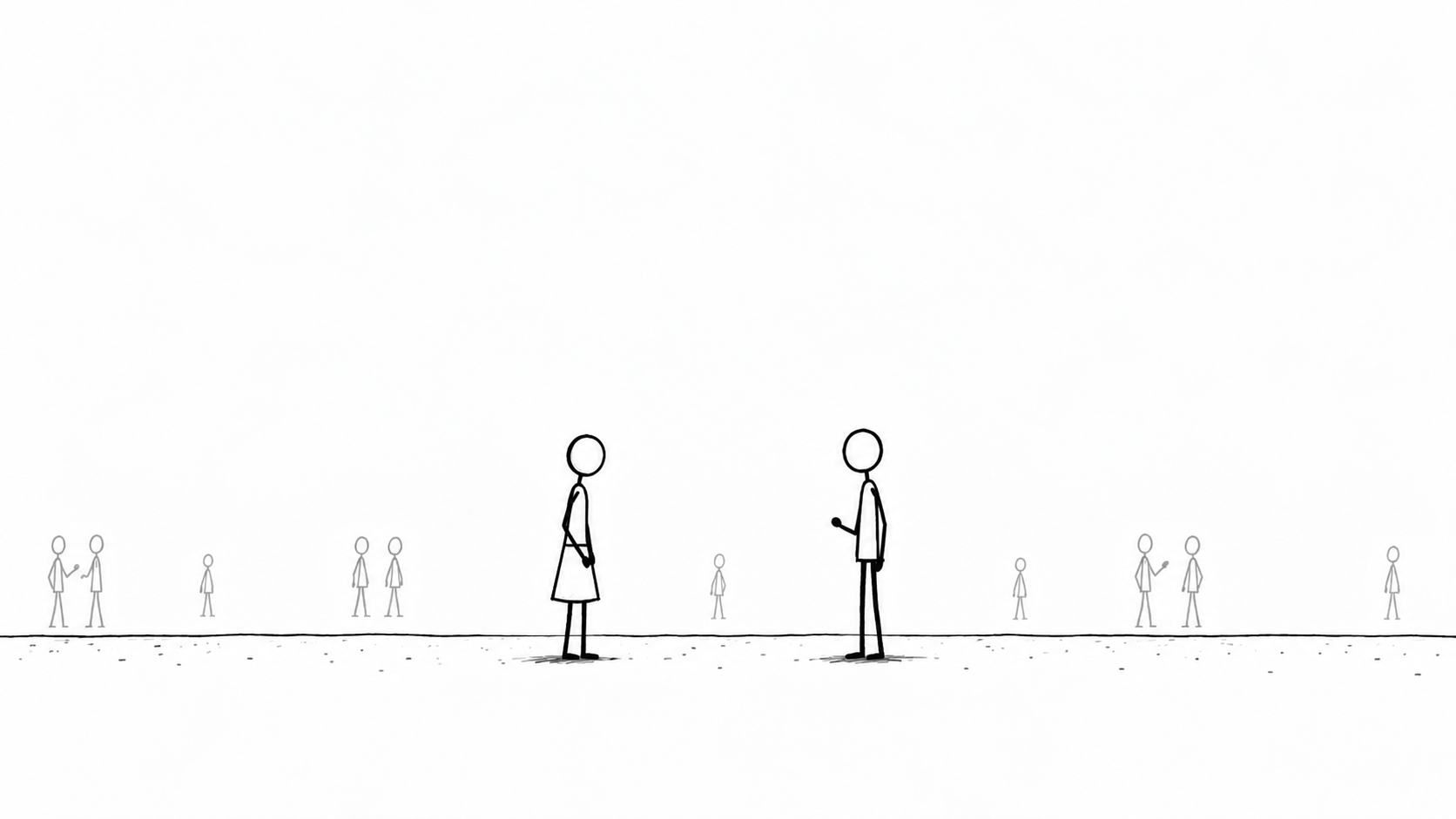
But while they wait, others are:
- learning how to use it daily
- building workflows around it
- improving speed and output
- compounding small advantages
No one is declaring themselves ahead.
But the gap is forming anyway.
Why This Feels Safe
Waiting feels like control.
It feels measured.
Thoughtful.
Responsible.
But in fast-moving systems, waiting often means entering after the structure has already formed.
At that point, you are not early.
You are adapting to a standard someone else helped create.
This Is Not About Speed
This is not about rushing.
It is about exposure.
The people who understand a shift early do not necessarily move faster.
They move sooner.
They make small adjustments.
They test quietly.
They build familiarity.
So when the shift becomes obvious, they are not starting from zero.
The Quiet Truth
Most people who think they are waiting for the right time are waiting for confirmation.
And confirmation usually arrives after the advantage has already been taken.
Next:
The Only Real Divide.