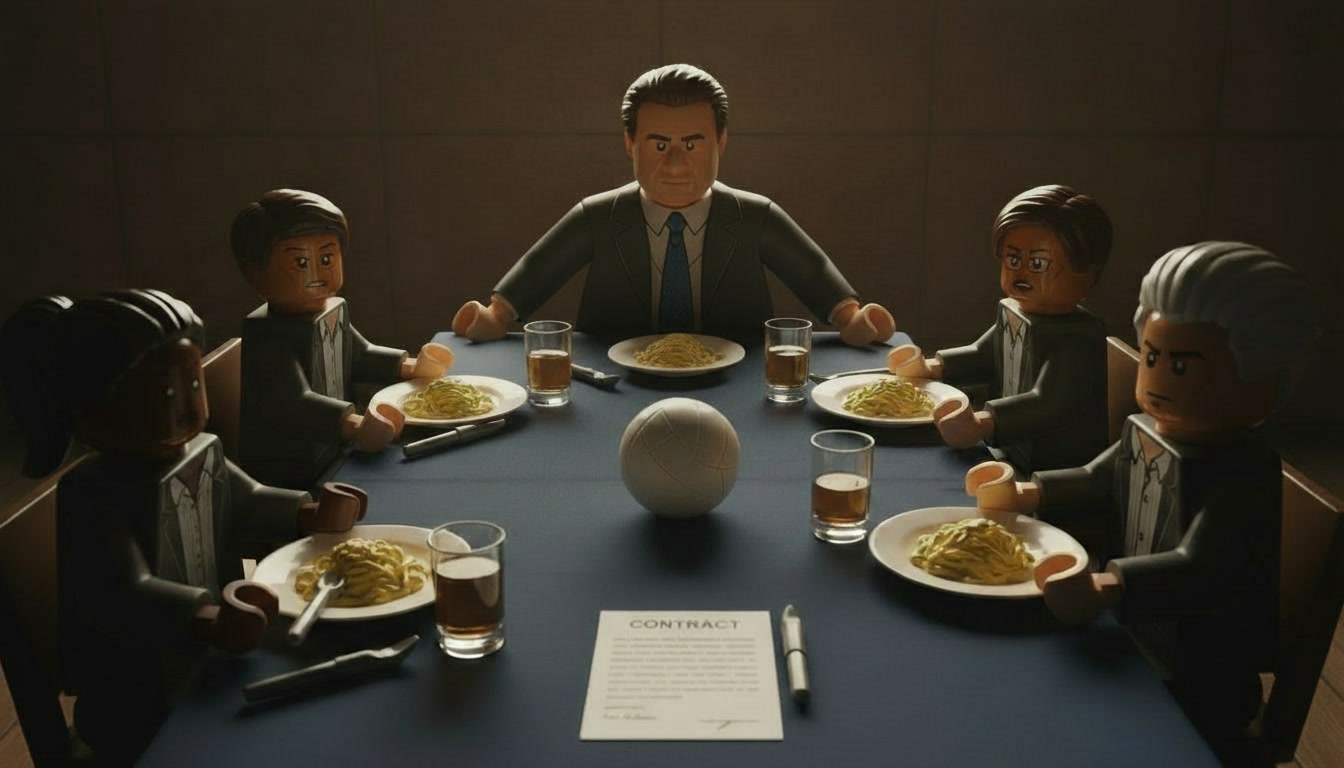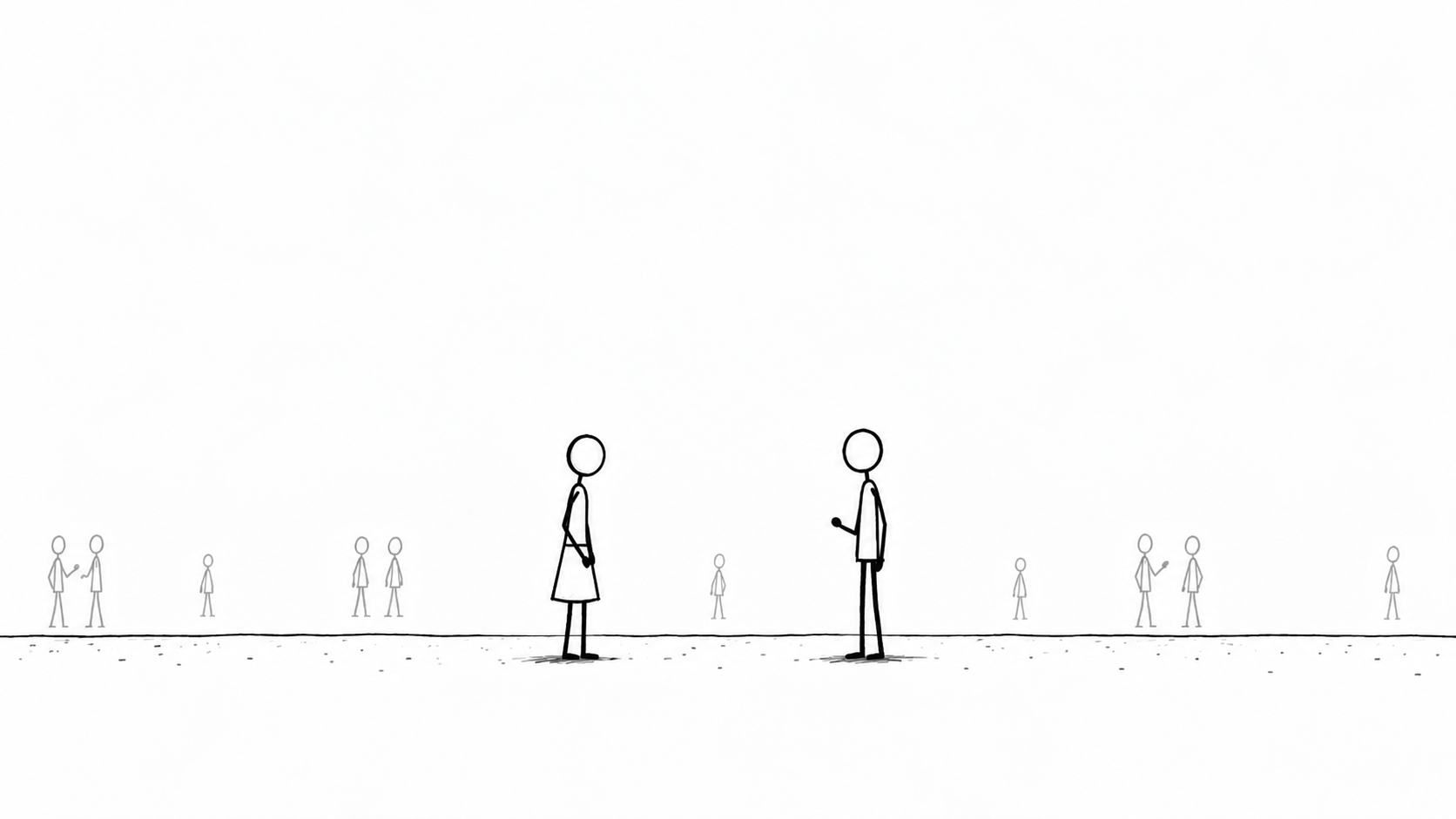



One of the hardest parts about starting a business is realizing nobody cares yet.
Not because people are cruel.
Not because your idea is bad.
Because the world is flooded with people saying they are about to do something.
Everyone is launching.
Everyone is building.
Everyone is “working on something big.”
Most people never finish.
Most people never sell.
Most people never produce a real result.
So when you tell people what you’re building, they nod politely and move on.
That’s normal.
Early business is not about convincing people to believe in your potential.
It’s about giving them evidence.
That’s what proof is.
Proof is the moment your business stops sounding theoretical.
A real customer.
A real result.
A real outcome.
Something that happened outside your own head.
And the shift that happens when you get your first real piece of proof is bigger than most people expect.
Because before proof, every conversation feels uphill.
You are explaining yourself constantly.
Trying to sound credible.
Trying to sound experienced.
Trying to make people trust something that technically does not exist yet.
That pressure disappears the moment reality enters the room.
Even small proof change changes the energy.
A screenshot.
A testimonial.
A measurable result.
A referral.
Now the conversation is no longer:
“Can this work?”
Now the conversation becomes:
“How did you do it?”
That’s why beginners should obsess over getting proof quickly, not looking established.
A lot of people waste months trying to look bigger than they are.
They spend more time refining the appearance of the business than improving the reality of it. Websites get redesigned. Bios get rewritten. Logos get adjusted. Meanwhile someone else quietly helps one real person, documents the outcome, and gains actual momentum.
The market responds to evidence faster than aesthetics.
And honestly, most people underestimate how quickly proof can happen.
Sometimes, proof is not a huge transformation.
Sometimes it is just:
- one client saying, “This really helped.”
- one business getting more inquiries
- one person referring somebody else
- one message saying, “I needed this.”
That counts.
People think proof has to look viral before it matters.
It doesn’t.
It just has to be real.
That’s the other mistake people make.
They exaggerate because they think credibility comes from sounding bigger than they are. So numbers get inflated, outcomes become exaggerated, and ordinary wins get dressed up like massive breakthroughs.
But fake proof creates fragile businesses.
Because eventually your delivery has to match your positioning.
And if it doesn’t, trust collapses.
One honest result is worth more than ten inflated claims.
Especially early.
The goal at the beginning is not to impress everyone.
It’s to remove doubt from the next buyer.
That’s all proof really does.
It lowers resistance.
It tells people:
“This has worked before.”
That matters more than people realize.
Because buyers are nervous too.
They do not want to feel stupid.
They do not want to waste money.
They do not want to regret the decision.
Proof reduces that fear.
Which is why you should start documenting immediately.
Not later.
Now.
Save:
- screenshots
- positive feedback
- referrals
- measurable wins
- kind messages
- before-and-after moments
At first it feels unnecessary.
Then six months later you realize you’ve built a library of trust.
And trust compounds.
That’s when business starts changing.
Not when you become perfect.
When people stop needing to guess whether you can help them.
Create one folder called “Proof.”
Start putting every real result inside it.
Not for your ego.
For your leverage.
Next:
Built from Scratch: Create a Weekly Sales System.