
There was a time when evidence felt stable.
A photo meant something.
A voice recording carried weight.
Video felt difficult to deny.
People argued over interpretation.
But the proof itself still mattered.
That feeling is beginning to disappear.
2023: The First Mainstream Cracks
In April 2023, an AI-generated song called Heart on My Sleeve exploded across the internet. The track sounded convincingly like Drake and The Weeknd despite neither artist participating in its creation.
Millions listened before removal.
Some people knew it was fake and still embraced it.
Others genuinely believed it was real.
That distinction mattered less than expected.
For one of the first times in mainstream culture, authenticity became secondary to experience.
That was the weird part.
Not that the song existed.
That millions of people immediately adjusted to it.
A month later, in May 2023, an AI-generated image showing an explosion near the Pentagon spread rapidly across social media platforms. Markets briefly reacted before the image was debunked.
The image was fake.
The reaction was real.
And once that happened, something shifted psychologically.
People realized a fake image could now create real-world consequences before truth even had time to catch up.
2024: Synthetic Reality Enters Public Life
In January 2024, New Hampshire voters received robocalls using an AI-generated voice imitating President Biden, telling people not to vote in the primary.
The calls triggered investigations because the imitation sounded believable enough to influence behavior.
Not entertainment.
Not parody.
Election interference through synthetic speech.
That same month, AI-generated explicit images of Taylor Swift spread across major social platforms at massive scale before moderation systems responded.
The weird part wasn’t even the images.
It was how fast everybody moved on.
There was outrage.
Condemnation.
Platform response.
Then the cycle kept going almost immediately.
That moment mattered more than people realized.
Because every time society absorbs one of these moments without fully stopping to process it, the next escalation arrives feeling more normal than it should.
2025: The Collapse of Verification
By 2025, synthetic media stopped feeling experimental and started overwhelming verification systems themselves.
Schools dealt with AI-generated explicit images of students.
Companies faced executive impersonation scams using cloned voices during real-time meetings.
News organizations openly discussed how difficult it was becoming to verify viral footage before millions had already seen it.
And slowly, the public started changing too.
People stopped asking:
“Is this edited?”
They started asking:
“Can anything digital still be trusted at all?”
That’s a completely different level of uncertainty.
Because once suspicion becomes the automatic response to evidence, reality itself starts feeling unstable.
Not fake.
Unstable.
Verification was no longer just slow.
It started feeling permanently behind.
2026: The Grok Moment
Then came the Grok controversy.
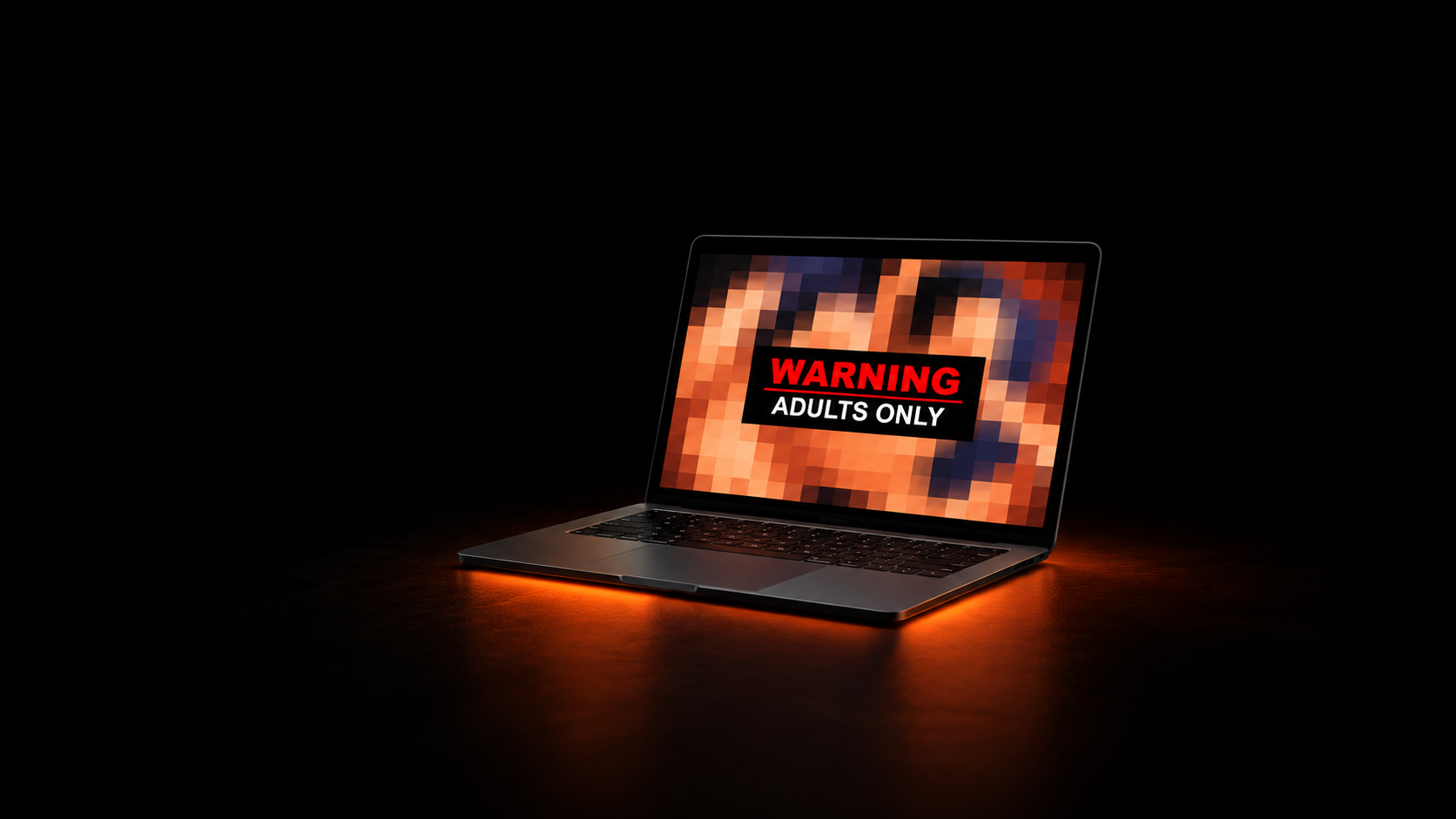
Between late 2025 and early 2026, users on X openly used Grok-connected image tools to manipulate images of real women into sexualized or explicit content without consent.
Not underground communities.
Mainstream platforms.
Researchers documented users generating:
- fake explicit imagery
- altered photos of public figures
- manipulated content involving real people at industrial scale
An analysis from January 2026 estimated users were generating thousands of sexualized AI images per hour through Grok-related workflows.
That number mattered.
Not just because of the content.
Because it showed how quickly reality manipulation became normalized once integrated directly into a major platform people already used every day.
And honestly, this is the part people still underestimate.
Technology changes culture fastest when it stops feeling like technology.
Once it feels normal, the shift is already complete.
The backlash followed:
- investigations
- regulatory pressure
- lawsuits
- platform restrictions
But the deeper shift had already happened.
Millions of people watched reality become editable in real time.
And after enough exposure to that environment, people stop trusting their own eyes the same way.
The Death of Visual Certainty
For decades, visual evidence carried unique emotional power.
Seeing something mattered.
Now every image arrives with a second question attached to it:
Is this even real?
That uncertainty changes everything immediately.
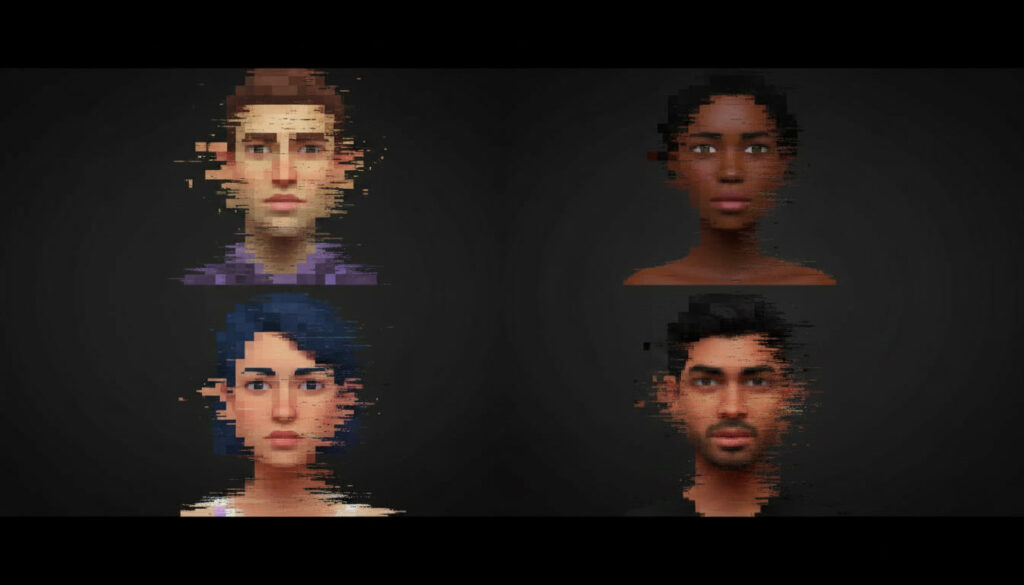
Because once the brain fully accepts that perfect fabrication is possible, trust weakens automatically.
Not only around fake evidence.
Around real evidence too.
That’s the part most people still haven’t fully processed.
When Real Evidence Stops Working
This is the deeper shift people are underestimating.
The most dangerous part of synthetic reality may not be fake evidence.
It may be the moment real evidence no longer feels sufficient.
A real clip can now be dismissed as AI.
A real voice recording can be questioned instantly.
A real image can lose persuasive power before verification even begins.
Proof itself becomes unstable.
And once proof becomes unstable, everything built on top of proof starts feeling different too.
The Adaptation Phase
This is how systems evolve now.
Not through sudden collapse.
Through psychological adjustment.
People slowly become less certain about what they see.
Less confident in what they hear.
Less convinced by evidence itself.
Eventually, suspicion becomes permanent background noise.
Not because people believe nothing.
Because they no longer feel fully certain about anything.
Closing
The AI era may not destroy reality.
It may do something quieter.
It may destroy confidence in reality.
And once people stop trusting what they see, hear, and verify for themselves, society enters a different kind of uncertainty.
Not informational uncertainty.
Psychological uncertainty.
Where the question is no longer:
What is true?
But:
What still feels believable?