

And Still Hard to Reach
Dating apps are the only product I can think of where success and failure look almost identical.
Someone can spend six months swiping and never meet anybody.
Someone else can spend six months swiping, go on twelve dates, and still never meet anybody.
The app wins both times.
The more you think about that, the stranger it becomes.
One of the strangest things about dating apps is how quickly they seem to know exactly what to do. Somebody signs up, and almost immediately there’s activity. A match appears. A notification shows up. Maybe a like or two.
The whole thing feels alive, almost as if the app has been waiting for them to arrive. Then something strange happens.
Attention starts to slow down, and right around the same time, the app starts offering ways to speed it back up. Pay to see who liked you. Pay for more visibility. Pay to move higher in the stack.
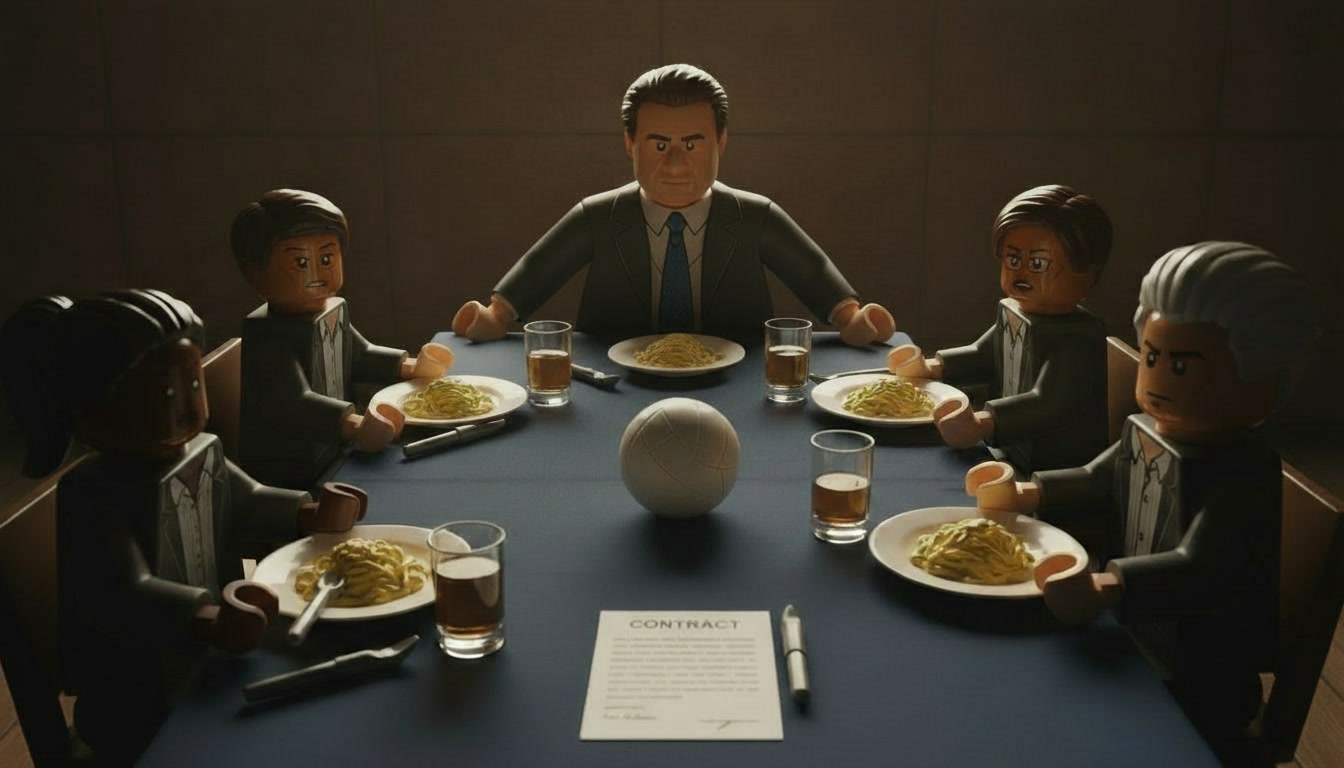
After a while, it starts to feel less like you’re meeting people and more like you’re negotiating at a toll booth.
Imagine explaining modern dating apps to somebody from 1995.
You tell them there’s a woman interested in talking to them, but before they can find out who she is, they need to upgrade their membership. Then you explain there’s another membership above that one, and another feature that increases visibility, and another feature that improves visibility even more.
At some point, the conversation stops sounding like dating and starts sounding like a mobile game.
The weirdest part is that none of this would have made sense twenty years ago.
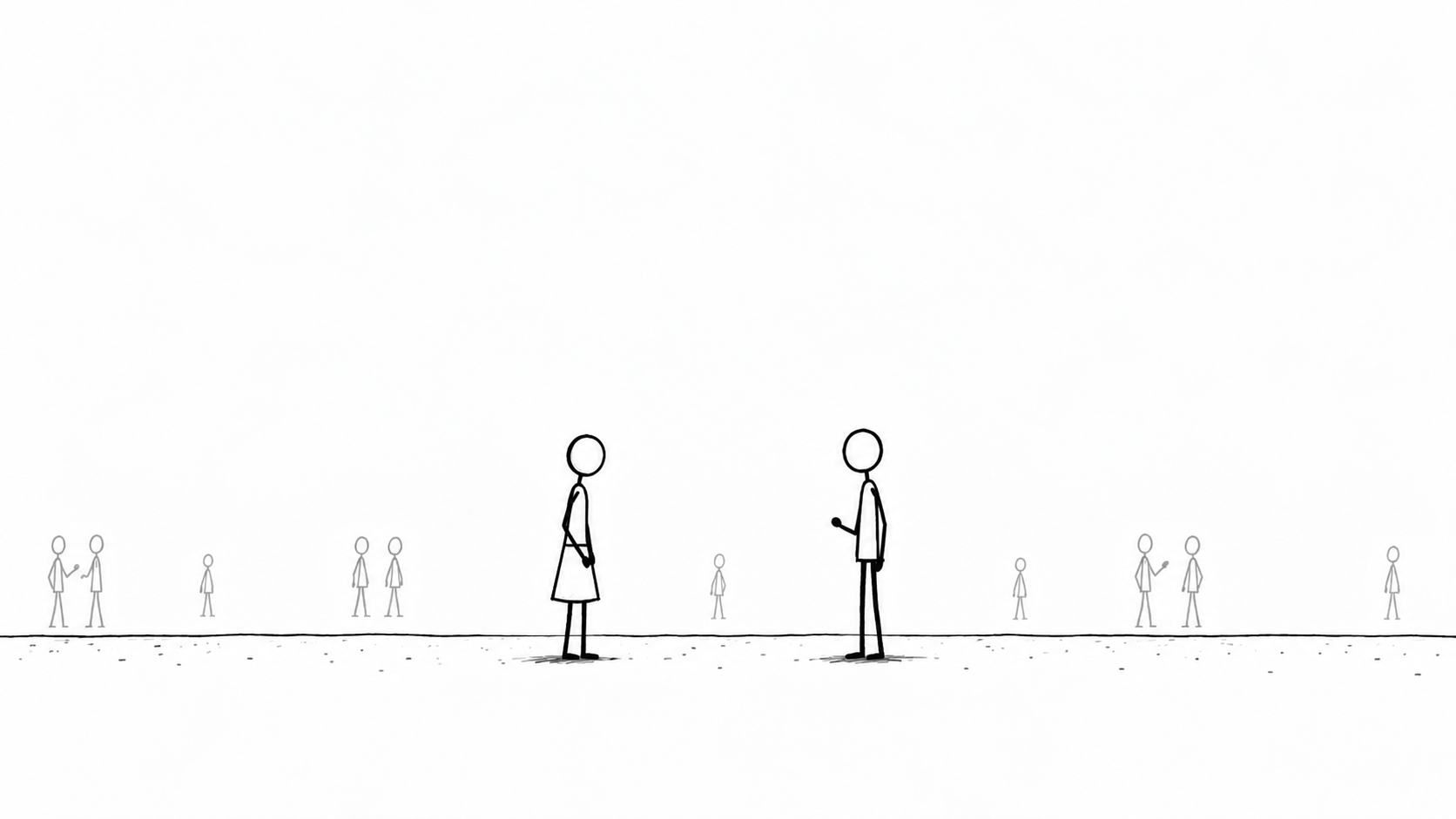
A person used to enter your life one at a time. Maybe it was through a friend, at work, at school, at a restaurant, or at a party. However it happened, they showed up, and for a little while, they had your full attention.
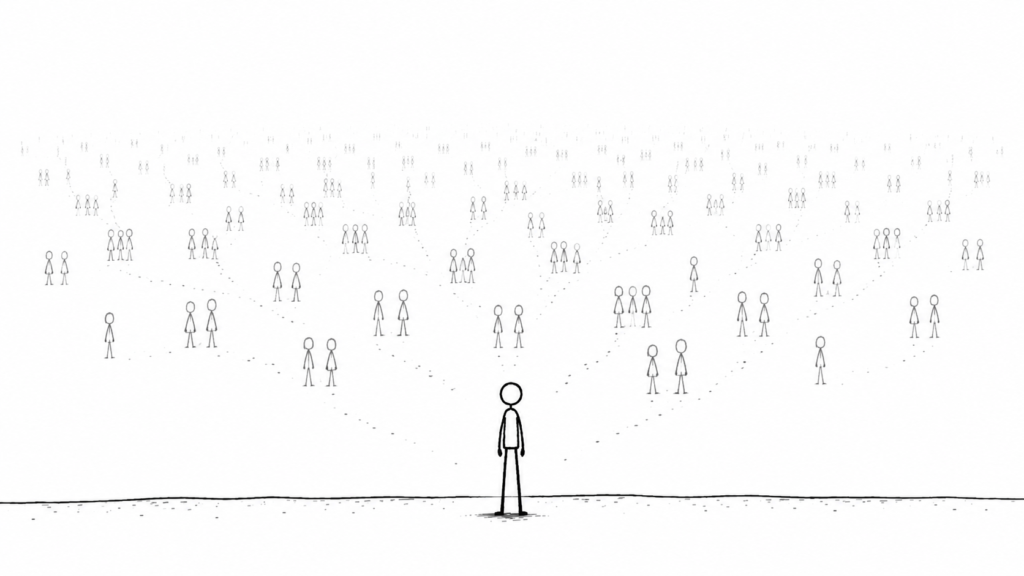
Now people arrive in stacks.
Before you’ve even decided whether you like one person, there’s another profile waiting underneath them, and another underneath that one.
At some point, it becomes hard to tell whether you’re meeting people or browsing them.
The funny thing is, we’ve become so used to it that most people don’t even question it anymore.
Paying to meet people used to mean buying somebody dinner.
Now it means buying visibility.
Which is strange because visibility was supposed to be the hard part.
It isn’t anymore.
And yet somehow the search never seems to end.
Most people assume they’re choosing between completely different worlds when they bounce between Tinder, Hinge, Match, Plenty of Fish, or OkCupid.
Then they find out many of the biggest names belong to the same corporate family.
Most people never think about it.
According to survey after survey, loneliness remains stubbornly high, especially among younger adults. That’s a strange place to end up after spending twenty years building more ways for people to find each other. The technology worked exactly as promised. People became easier to find.
The connection part is where things get murkier.
We solved visibility.
We lost proximity.