
The Quiet Property Trap
(The Builder’s Deal)
When I got back into real estate, I thought the game was houses.
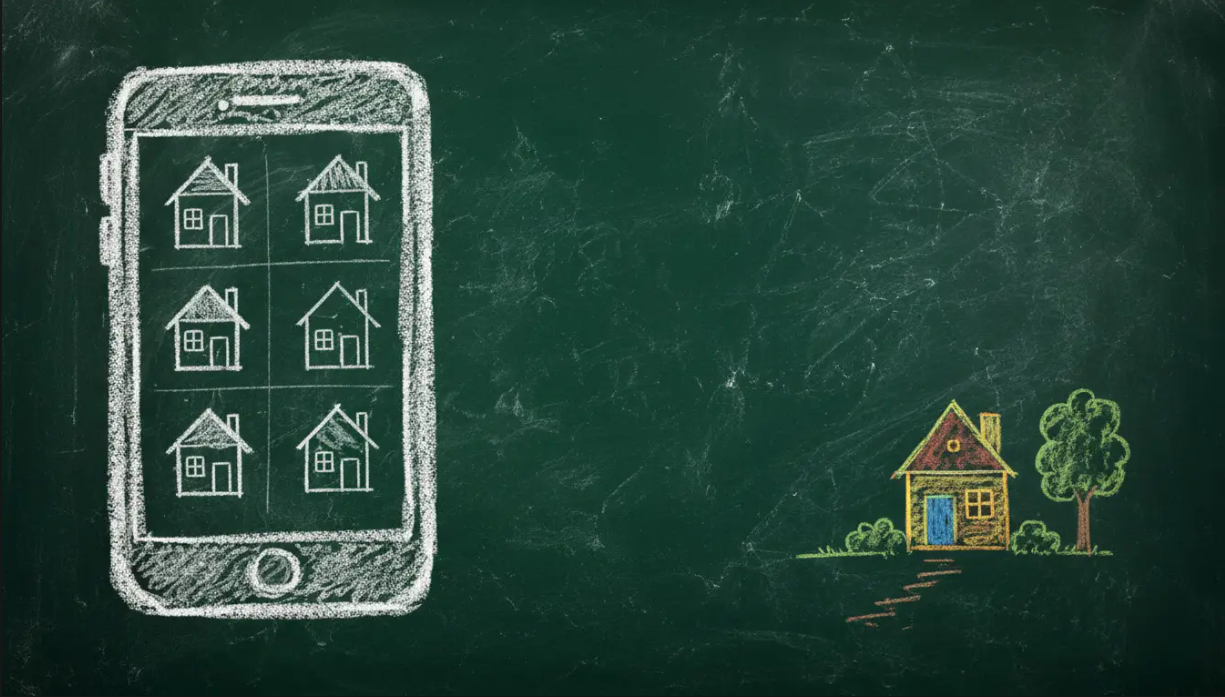
That probably sounds ridiculous coming from someone with a real estate license, but it’s true. I thought the conversation was about bedrooms, square footage, kitchens, schools, neighborhoods, and price because that’s what buyers talk about, what agents market, and what shows up in the photos. From the outside, it looks like the entire industry revolves around finding the right house, so for a while, I looked at it exactly the same way.
Then I started paying attention to where builders, developers, and investors were putting their money.
The more I watched what they were doing, the more I realized they weren’t spending their time obsessing over the same things buyers were.
While everyone else was arguing over finishes, upgrades, and floor plans, these people seemed far more interested in places that often looked unfinished, inconvenient, or even boring.
At first, I didn’t understand it. Then I started noticing a pattern. The biggest bets weren’t being made on the nicest properties. They were being made on what people believed would happen next. Most buyers were evaluating what existed in front of them while builders were evaluating what might exist years from now, and that distinction turned out to be much bigger than I realized.
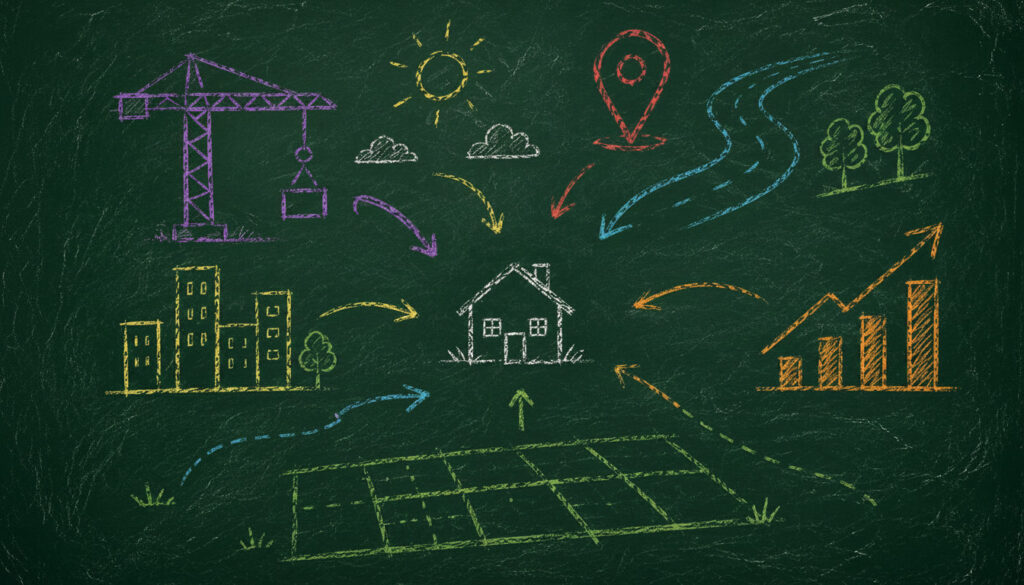
Imagine two people standing on the exact same piece of land. One sees a three-bedroom house with a nice backyard and good schools nearby. The other sees a future highway extension, a planned retail development, and thousands of people who may eventually move into the area.
They’re looking at the same property, but they’re participating in completely different parts of the story. The more I thought about it, the more I started to understand why real estate wealth often feels so uneven.
Most buyers enter the cycle after much of the uncertainty has already been removed. The roads are built, the schools are established, the shopping centers are open, and the neighborhood has already proven itself. By the time the average buyer arrives, the area is desirable, and the growth is visible.
There’s nothing wrong with that. In fact, for many people, that’s exactly where they should buy.
But it’s important to understand what happened before they got there because somebody took the risk before the area became obvious. Somebody bought before the demand arrived. Somebody made a bet on a future version of reality.
That’s one of the things nobody tells you when they’re teaching real estate. By the time most people become interested in an area, the story has already started unfolding. New residents have begun arriving, businesses have started paying attention, and builders have often been placing bets for years.
To the average buyer, it feels like an opportunity has suddenly appeared. In reality, they’re often looking at the results of decisions made long before they ever started searching for a home.
Most people never see those bets being made. They only see the finished neighborhood, the rising home values, and the headlines about how much prices have increased.
What they don’t see are the years where nothing looked particularly exciting and very few people were paying attention.
That’s what builders do. They’re not buying today’s story. They’re making a bet on tomorrow’s story. Sometimes they’re right, sometimes they aren’t. But that’s where I began to realize that a lot of value is created long before a house ever gets built.
What surprised me wasn’t how often this happened. What surprised me was how invisible it was. Most of the forces that shape real estate value aren’t sitting in a listing description. They’re happening quietly in the background while people are focused on the property itself.
That realization changed the way I look at real estate.
The more I study the business, the less interested I become in the property itself and the more interested I become in the forces surrounding it. I find myself paying attention to migration trends, redevelopment projects, infrastructure plans, pre-construction communities, and the decisions large developers are making with their money because those things often tell a much bigger story than the property ever could.
That’s probably the biggest shift in my thinking since returning to real estate. I still appreciate a great property. I still understand why buyers fall in love with certain homes. But I’ve become increasingly fascinated by the things most people never discuss, because they often determine whether a property becomes more valuable over time.
The property tells you what it is. The surrounding forces tell you what might be.
Some of the best opportunities I’ve ever seen weren’t obvious at all. They didn’t look special, and they certainly weren’t the homes everyone was fighting over. In some cases they looked ordinary, unfinished, or even inconvenient.
What made them valuable wasn’t what they were at the time. It was what they were becoming.
Most people spend nearly all of their energy evaluating the visible part of the opportunity. That’s understandable because the visible part is what they’re buying. The challenge is that some of the most important variables influencing the outcome aren’t visible at all.
I think that’s one of the biggest differences between how consumers and builders look at the world.
The average buyer asks a perfectly reasonable question:
“Do I like this house?”
If you’re going to live somewhere, that’s a question you should ask. But the people making the biggest bets in real estate often start somewhere else.
“What will this area look like ten years from now?”
Those two questions can lead to very different decisions and, in many cases, very different outcomes.
The house matters.
Of course it does.
But the deeper I’ve gone into real estate, the more convinced I’ve become that some of the biggest opportunities aren’t found inside the property itself. They’re found in understanding change before it becomes obvious and recognizing where the story may be headed before everyone else arrives.
Looking back, that’s probably the lesson I wish more people understood. Real estate is often presented as a search for the perfect property when, in many cases, it’s really a search for the right story. The property matters, but understanding where that story is headed may matter even more.
Because the house was never the deal. It was simply the part everyone could see.
Next: Zillow Isn’t Built For You
Because what looks like a search tool is actually something very different.